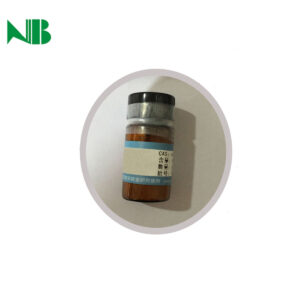
Huperzine A CAS 120786-18-7
Selective, Reversible Acetylcholinesterase (AChE) Inhibitor & Nootropic Alkaloid
Huperzine A (CAS 120786-18-7) is a selective, reversible acetylcholinesterase (AChE) inhibitor (IC50 ~65 nM) and NMDA-receptor antagonist isolated from Huperzia serrata, used for cognition and Alzheimer's research. Molecular formula C15H18N2O, MW 242.32. Research-grade with COA.
Molecular Information
CAS: 120786-18-7
Formula: C15H18N2O
MW: 242.32 g/mol
Class: Lycopodium (club-moss) alkaloid
Core: (5R,9R,E)-5-amino-11-ethylidene-7-methyl-5,6,9,10-tetrahydro-5,9-methanocycloocta[b]pyridin-2(1H)-one
Target: Acetylcholinesterase (AChE)
IC50: ~65 nM (AChE)
Appearance: White to off-white powder
Synonyms: HupA
Storage: -20 C
Product Technical Specifications
Complete physicochemical properties and QC parameters for Huperzine A (CAS 120786-18-7)
📋 Physicochemical Properties
- Product NameHuperzine A
- IUPAC Core(5R,9R,E)-5-amino-11-ethylidene-7-methyl-5,6,9,10-tetrahydro-5,9-methanocycloocta[b]pyridin-2(1H)-one
- CAS Number120786-18-7
- SynonymsHupA; (±)-Huperzine A
- Molecular FormulaC15H18N2O
- Molecular Weight242.32 g/mol
- SourceNatural product (Huperzia serrata club moss)
- AppearanceWhite to off-white powder
- Melting PointNot reported
- Water SolubilityLow; solubilize in DMSO/acid
- Organic SolubilityDMSO >=50 mg/mL
- Compound ClassLycopodium alkaloid / AChE inhibitor
- HS Code2939.90
🔬 Quality Control & Handling
- Purity (HPLC)≥98%
- FormSolid powder
- Primary TargetAcetylcholinesterase (AChE)
- Pathway ReadoutElevated synaptic ACh; ↑ cholinergic tone; NMDA current inhibition
- SelectivitySelective, reversible AChE; also NMDA antagonist
- Storage Condition-20 C, sealed, protect from light
- Solution StabilityAliquot DMSO stocks; avoid freeze-thaw
- ShippingBlue ice / cold chain recommended
- QC DocumentationCOA / HPLC / NMR / MS / MSDS
- Pack Sizes1g / 5g / 10g / 100g / 1KG
- Stock StatusIn Stock
- Use StatementResearch use only; not for human/clinical use
Key Molecular Targets & Pathway Nodes
Huperzine A's primary molecular target is acetylcholinesterase; it also antagonizes NMDA receptors, giving it a dual cholinergic-plus-neuroprotective profile.
How Huperzine A Works: Boosting Acetylcholine by Blocking AChE
Huperzine A reversibly inhibits acetylcholinesterase, raising synaptic acetylcholine, and also dampens NMDA-mediated excitotoxicity
Reversible AChE Inhibition
Huperzine A is a selective, reversible inhibitor of acetylcholinesterase (AChE, IC50 ~65 nM) — more potent and longer-acting than many classical AChE inhibitors. It blocks the enzyme that degrades acetylcholine, so ACh accumulates in the synaptic cleft.
Elevated Cholinergic Tone
Higher synaptic ACh enhances muscarinic and nicotinic signaling in hippocampus and cortex, supporting attention, learning and memory. This cholinergic augmentation is the basis of its nootropic and Alzheimer's research interest.
NMDA-Receptor Antagonism & Neuroprotection
Beyond AChE, huperzine A is an NMDA-receptor antagonist (~0.5 µM) that inhibits NMDA-induced currents, protecting neurons from glutamate excitotoxicity. It also raises nerve-growth-factor levels, adding a neuroprotective dimension.
⚖️ Huperzine A vs Donepezil vs Galantamine
- Huperzine A (this product)Reversible AChE IC50 ~65 nM; also NMDA antagonist
- DonepezilReversible AChE inhibitor; no NMDA activity
- GalantamineAChE inhibitor + nicotinic allosteric modulation
- Shared TargetAcetylcholinesterase
- Key DistinctionHuperzine A adds NMDA antagonism
- SourceNatural Lycopodium alkaloid vs synthetic
♻️ Downstream Biological Consequences
- EnzymeAChE inhibited (reversible)
- NeurotransmitterSynaptic ACh ↑
- CircuitCholinergic tone ↑ (hippocampus/cortex)
- ExcitabilityNMDA currents ↓ (neuroprotection)
- TrophicNerve growth factor ↑
- BehaviorLearning / memory support
Research Applications & Models
A dual-action cholinergic/neuroprotective tool spanning nootropic, Alzheimer's and neuroprotection research.
Alzheimer's & Dementia Models
The flagship use: huperzine A raises central ACh and is studied for cognitive symptoms in Alzheimer's and vascular-dementia models.
AChE / CognitionCognition & Memory Research
A nootropic probe for learning, memory and attention via cholinergic augmentation in rodent tasks.
CholinergicNeuroprotection & Excitotoxicity
Studied for NMDA-antagonist neuroprotection against glutamate toxicity and ischemia.
NMDA / NeuroprotectAChE / Cholinesterase Research
A fiducial reversible AChE inhibitor for enzyme kinetics, binding and counter-screening vs BChE.
AChE / BChENerve Growth & Plasticity
Investigated for NGF elevation and synaptic/neurite-outgrowth effects.
NGF / PlasticityAChE-Inhibitor Panel
Benchmarked against donepezil/galantamine to separate AChE blockade from NMDA activity.
AChEI panelKey Literature & Landmark Publications
The pharmacology and clinical evidence for huperzine A.
Available Sizes & Ordering
Research-grade Huperzine A (CAS 120786-18-7) with full QC documentation; standard packs and bulk custom quantities supported.
| Tier | Pack Size | Stock Status | Suitable For | Lead Time |
|---|---|---|---|---|
| Standard | 1g | In Stock | AChE & cognition assays | Cool, dry |
| Medium | 5g | In Stock | Neuroprotection & memory models | Cool, dry |
| Large | 10g | In Stock | Long-term in vivo & formulation studies | Cool, dry |
| Bulk | 100g | In Stock | Formulation & process development | Quote to confirm |
| Industrial | 1KG | Made to order | Pilot/production scale, CMO supply | Batch delivery |
💡 Reference sizes shown above; for exact pricing and availability please contact us for a quote. Bulk orders qualify for tiered discounts.
Frequently Asked Questions (FAQ)
What is Huperzine A and what does it do?
How is Huperzine A different from donepezil or galantamine?
What is the mechanism in Alzheimer's / cognition research?
What are the key experimental readouts?
How soluble is Huperzine A and how prepared?
Is QC documentation provided?
Need Huperzine A (AChE Inhibitor) for Your Research?
Research-grade Huperzine A (CAS 120786-18-7) — purity ≥98% HPLC, COA included
The club-moss alkaloid that boosts acetylcholine by blocking AChE — request a quote today