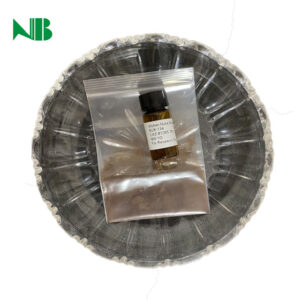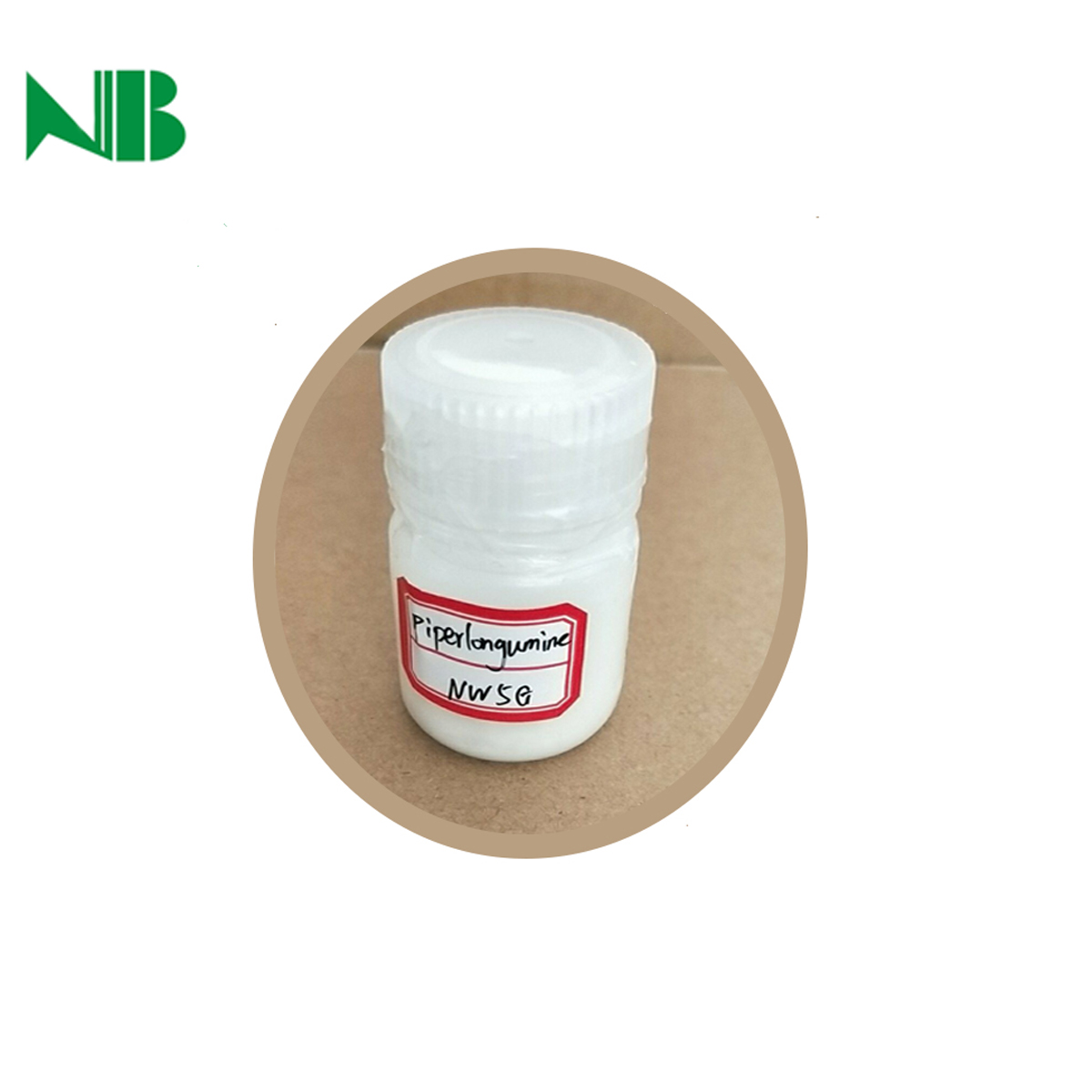
Piperlongumine (Piplartine) CAS 20069-09-4
Natural ROS-Inducing Alkaloid for Cancer & Oxidative-Stress Research
Piperlongumine (CAS 20069-09-4), also known as piplartine, is a naturally derived alkaloid amide isolated from the long pepper (Piper longum L.). It selectively inhibits glutathione S-transferase Pi 1 (GSTP1), raising intracellular reactive oxygen species (ROS) to trigger cancer-selective apoptosis while sparing normal cells. Formula C17H19NO5, MW 317.34. Research grade with COA.
Molecular Information
CAS: 20069-09-4
Formula: C17H19NO5
MW: 317.34 g/mol
IUPAC: 1-[(E)-3-(3,4,5-trimethoxyphenyl)prop-2-enoyl]-2,3-dihydropyridin-6-one
SMILES: COC1=CC(=CC(=C1OC)OC)C=CC(=O)N2CCC=CC2=O
Class: Piperidine amide alkaloid (natural product)
Core: Conjugated enamide / dihydropyridinone
Target: GSTP1 / ROS
Activity: Cancer-selective ROS elevation & apoptosis
Source: Piper longum L. (long pepper)
Appearance: Off-white to pale-yellow powder
Synonyms: Piplartine
Storage: -20°C, dry, protect from light
Product Technical Specifications
Complete physicochemical properties and QC parameters for Piperlongumine (Piplartine) (CAS 20069-09-4)
📋 Physicochemical Properties
- Product NamePiperlongumine (Piplartine)
- IUPAC Name1-[(E)-3-(3,4,5-trimethoxyphenyl)prop-2-enoyl]-2,3-dihydropyridin-6-one
- CAS Number20069-09-4
- SynonymsPiplartine
- Molecular FormulaC17H19NO5
- Molecular Weight317.34 g/mol
- SourceNatural extract / semi-synthetic (Piper longum L.)
- AppearanceOff-white to pale-yellow powder
- Water SolubilityPoor (hydrophobic; DMSO recommended)
- Organic SolubilityDMSO, methanol, ethanol, DCM
- Compound ClassPiperidine amide alkaloid
- HS Code2933.79
🔬 Quality Control & Handling
- Purity (HPLC)>=98%
- FormPowder (research grade)
- Primary TargetGSTP1 / ROS pathway
- Assay ReadoutIntracellular ROS; cleaved caspase-3/PARP; apoptosis
- SelectivityCancer-selective vs normal cells
- Storage Condition-20°C, sealed, dry, protect from light
- Solution StabilityDMSO stock stable at -20°C; avoid freeze-thaw
- ShippingAmbient or cold chain
- QC DocumentationCOA / HPLC / NMR / MS / MSDS
- Pack Sizes1 g / 10 g / 100 g / 1 kg / 25 kg
- Stock StatusIn Stock
- Use StatementResearch use only; not for human therapeutic uses
Key Molecular Targets & Biology Nodes
Piperlongumine engages the redox-homeostasis network — most notably glutathione S-transferase Pi 1 (GSTP1) — to push cancer cells into oxidative catastrophe while leaving normal cells comparatively unharmed.
How Piperlongumine Works: GSTP1 Inhibition Drives Cancer-Selective ROS
Piperlongumine targets GSTP1, a key node in cellular redox buffering, tipping the oxidative balance of cancer cells toward lethal ROS accumulation.
GSTP1 Inhibition
Piperlongumine binds and inhibits glutathione S-transferase Pi 1 (GSTP1), a detoxifying enzyme overexpressed in many tumors that normally buffers oxidative and electrophilic stress.
ROS Accumulation
With GSTP1 suppressed, intracellular reactive oxygen species (ROS) rise sharply; the antioxidant NAC (N-acetylcysteine) fully reverses this, confirming ROS as the core driver.
Cancer-Selective Apoptosis
Elevated ROS triggers mitochondrial-dependent apoptosis — cleaved caspase-3/PARP, G2/M arrest — preferentially in cancer cells while normal cells are spared.
⚖️ Adjacent Signaling Nodes
- EnzymeGSTP1 inhibited
- PathwayROS / oxidative stress up
- TranscriptionNF-κB & STAT3 modulated
- KinasesJNK / p38 MAPK activated
- AntioxidantNrf2 / HO-1 compensatory
- OutcomeApoptosis & autophagy
♻️ Research Biology
- ModelCancer cell lines (breast, pancreas, ovary, prostate)
- ReadoutROS, caspase-3/PARP, cell viability
- SynergyCisplatin / paclitaxel sensitization
- RescueNAC abolishes toxicity
- SourcePiper longum L. (long pepper)
- ProfileNatural product, selective
Research & Application Areas
Piperlongumine is a versatile natural-product tool spanning oncology, redox biology, inflammatory signaling and natural-product drug discovery.
Cancer Research
Core tool for studying GSTP1, ROS and cancer-selective cell death across tumor types.
OncologyOxidative-Stress Studies
Inducible ROS model to probe redox buffering and antioxidant response.
ROSNF-κB / STAT3 Signaling
Modulation of inflammatory and proliferative transcription factors.
SignalingApoptosis & Autophagy
Caspase activation, PARP cleavage and autophagic death assays.
Cell DeathNatural-Product Pharmacology
Botanical-derived lead for drug-discovery and phytochemistry work.
Natural ProductChemo-Sensitization
Combination studies with cisplatin / paclitaxel and other agents.
CombinatorialKey Literature & Landmark Publications
Representative and landmark work on piperlongumine mechanism, selectivity and anticancer activity.
Available Sizes & Ordering
Research-grade Piperlongumine (Piplartine) (CAS 20069-09-4) with full QC documentation; standard packs and bulk custom quantities supported.
| Tier | Pack Size | Stock Status | Suitable For | Lead Time |
|---|---|---|---|---|
| Standard | 1 g | In Stock | Lab screening / assay calibration | Same/next-day ship |
| Medium | 10 g | In Stock | Dose-response / cell assays | Same/next-day ship |
| Large | 100 g | In Stock | In vivo / extended studies | Same/next-day ship |
| Bulk | 1 kg | In Stock | Lead optimization / pilot production | Quote to confirm |
| Industrial | 25 kg | Made to order | Process development | Batch delivery |
💡 Reference sizes shown above; for exact pricing and availability please contact us for a quote. Bulk orders qualify for tiered discounts.
Frequently Asked Questions (FAQ)
What is Piperlongumine and where does it come from?
What is the mechanism of action of Piperlongumine?
Is Piperlongumine selective for cancer cells?
How soluble is Piperlongumine and how should it be prepared?
Is QC documentation provided?
Need Piperlongumine (Piplartine) for Your Research?
Research-grade Piperlongumine (CAS 20069-09-4) — purity >=98% HPLC, COA included
Natural GSTP1 inhibitor & ROS inducer — request a quote today