ODM-201 (Darolutamide) CAS 1297538-32-9
Next-Generation Androgen-Receptor Antagonist (BAY-1841788)
ODM-201 (darolutamide; CAS 1297538-32-9), also BAY-1841788, is a next-generation, non-steroidal androgen-receptor (AR) antagonist that blocks AR nuclear translocation with Ki 11 nM and inhibits hAR transcription (IC50 26 nM). Molecular formula C19H19ClN6O2, MW 398.85. Research-grade with COA.
Molecular Information
CAS: 1297538-32-9
Formula: C19H19ClN6O2
MW: 398.85 g/mol
Class: Non-steroidal AR antagonist
Core: N-[(2R)-2-methyl-4-(6-cyano-3-trifluoromethyl-phenylamino)-2-oxo-1,2,3,4-tetrahydro-quinolin-7-yl]-acetamide (approx.)
Target: Androgen Receptor (AR)
Ki: 11 nM (rAR)
IC50: 26 nM (hAR)
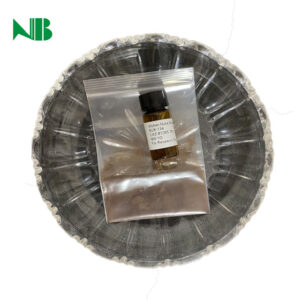
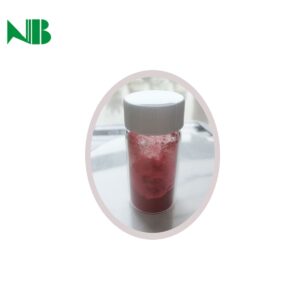
Appearance: White to off-white powder
Synonyms: Darolutamide / BAY-1841788
Storage: -20 C
Product Technical Specifications
Complete physicochemical properties and QC parameters for ODM-201 (Darolutamide) (CAS 1297538-32-9)
📋 Physicochemical Properties
- Product NameODM-201 (Darolutamide)
- IUPAC CoreN-[(2R)-2-methyl-4-[[6-cyano-3-(trifluoromethyl)phenyl]amino]-2-oxo-1,2,3,4-tetrahydroquinolin-7-yl]acetamide
- CAS Number1297538-32-9
- SynonymsDarolutamide; BAY-1841788; ODM-021
- Molecular FormulaC19H19ClN6O2
- Molecular Weight398.85 g/mol
- SourceSynthetic small molecule (Orion / Bayer)
- AppearanceWhite to off-white powder
- Melting PointNot reported
- Water SolubilityInsoluble
- Organic SolubilityDMSO ~80 mg/mL; ethanol
- Compound ClassNon-steroidal androgen-receptor antagonist
- HS Code2934.99
🔬 Quality Control & Handling
- Purity (HPLC)≥98%
- FormSolid powder
- Primary TargetAndrogen receptor (AR / NR3C4)
- Pathway ReadoutBlocked AR nuclear translocation; ↓ AR transcription / VCaP proliferation
- SelectivityNon-steroidal AR antagonist; low blood-brain-barrier penetration
- Storage Condition-20 C, sealed, protect from light
- Solution StabilityAliquot DMSO stocks; avoid freeze-thaw
- ShippingBlue ice / cold chain recommended
- QC DocumentationCOA / HPLC / NMR / MS / MSDS
- Pack Sizes1g / 5g / 10g / 100g / 1KG
- Stock StatusIn Stock
- Use StatementResearch use only; not for human/clinical use
Key Molecular Targets & Pathway Nodes
ODM-201 is a highly selective androgen-receptor antagonist; its distinctive mechanism is blocking AR nuclear translocation, and its low brain penetration sets it apart from older antiandrogens.
How ODM-201 Works: Locking the Androgen Receptor Out of the Nucleus
ODM-ish? ODM-201 competitively occupies AR and prevents its testosterone-induced nuclear translocation and gene transcription — including against resistant AR mutants
Competitive AR Occupation
ODM-201 is a non-steroidal androgen-receptor antagonist that competitively binds AR (Ki 11 nM for rat AR; IC50 26 nM for human AR-mediated transcription), preventing testosterone/DHT from activating the receptor.
Blocked Nuclear Translocation
Crucially, ODM-201 blocks testosterone-induced AR nuclear translocation. The receptor cannot enter the nucleus, so it cannot bind androgen-response elements or drive proliferation genes in AR-dependent cells (e.g., VCaP).
Activity Against Resistant AR & Low CNS Penetration
ODM-201's active metabolite retains full antagonistic activity against AR mutants, relevant to castration-resistant prostate cancer. Its limited blood-brain-barrier crossing reduces central-nervous-system side effects versus earlier antiandrogens.
⚖️ ODM-201 vs Enzalutamide vs Bicalutamide
- ODM-201 (this product)Blocks AR nuclear translocation; Ki 11 nM; low CNS penetration
- EnzalutamideAR antagonist + blocks translocation; higher CNS penetration
- BicalutamideOlder AR antagonist; variable CNS/ cardiac effects
- Shared TargetAndrogen receptor (AR)
- Key DistinctionODM-201 minimal brain penetration
- ResistanceActive metabolite hits AR mutants
♻️ Downstream Biological Consequences
- ReceptorAR occupied, locked cytosolic
- TranslocationAR nuclear entry ↓
- TranscriptionAndrogen-response genes ↓
- ProliferationAR+ tumor growth ↓ (VCaP)
- ResistanceActive against AR mutants
- CNSMinimal neuropsychiatric effect (low BBB)
Research Applications & Models
A next-generation AR antagonist for prostate-cancer and endocrine-oncology research, valued for clean mechanism and low CNS burden.
Prostate-Cancer (CRPC) Models
The flagship use: ODM-201 inhibits AR nuclear translocation and VCaP proliferation in castration-resistant prostate-cancer models; benchmarked in AR-dependent oncology.
AR / CRPCAndrogen-Receptor Research
A fiducial AR antagonist for binding (Ki), translocation and transcription-reporter assays; contrasts enzalutamide/bicalutamide.
AR / NR3C4AR-Mutant & Resistance Studies
Used to probe activity against resistant AR mutants via its active metabolite in engineered cell lines.
AR mutantsCNS-Penetration Comparison
Studied for low blood-brain-barrier crossing versus enzalutamide, informing neurotoxicity research.
BBB / CNSAntiandrogen Panel
Benchmarked head-to-head with enzalutamide and bicalutamide in AR-positive and AR-negative (DU-145) controls.
AR panelSteroid-Receptor Selectivity
Profiled for minimal cross-talk with other steroid/nuclear receptors.
Receptor selectivityKey Literature & Landmark Publications
The discovery, mechanism and clinical validation of darolutamide (ODM-201).
Available Sizes & Ordering
Research-grade ODM-201 / Darolutamide (CAS 1297538-32-9) with full QC documentation; standard packs and bulk custom quantities supported.
| Tier | Pack Size | Stock Status | Suitable For | Lead Time |
|---|---|---|---|---|
| Standard | 1g | In Stock | AR binding & translocation assays | Cold chain |
| Medium | 5g | In Stock | Prostate-cancer & AR models | Cold chain |
| Large | 10g | In Stock | Long-term in vivo & formulation studies | Cold chain |
| Bulk | 100g | In Stock | Formulation & process development | Quote to confirm |
| Industrial | 1KG | Made to order | Pilot/production scale, CMO supply | Batch delivery |
💡 Reference sizes shown above; for exact pricing and availability please contact us for a quote. Bulk orders qualify for tiered discounts.
Frequently Asked Questions (FAQ)
What is ODM-201 (darolutamide) and what does it do?
How is ODM-201 different from enzalutamide or bicalutamide?
What is the mechanism in prostate cancer?
What are the key experimental readouts?
How soluble is ODM-201 and how prepared?
Is QC documentation provided?
Need ODM-201 / Darolutamide (AR Antagonist) for Your Research?
Research-grade ODM-201 / Darolutamide (CAS 1297538-32-9) — purity ≥98% HPLC, COA included
The next-gen AR antagonist that blocks nuclear translocation with low CNS penetration — request a quote today