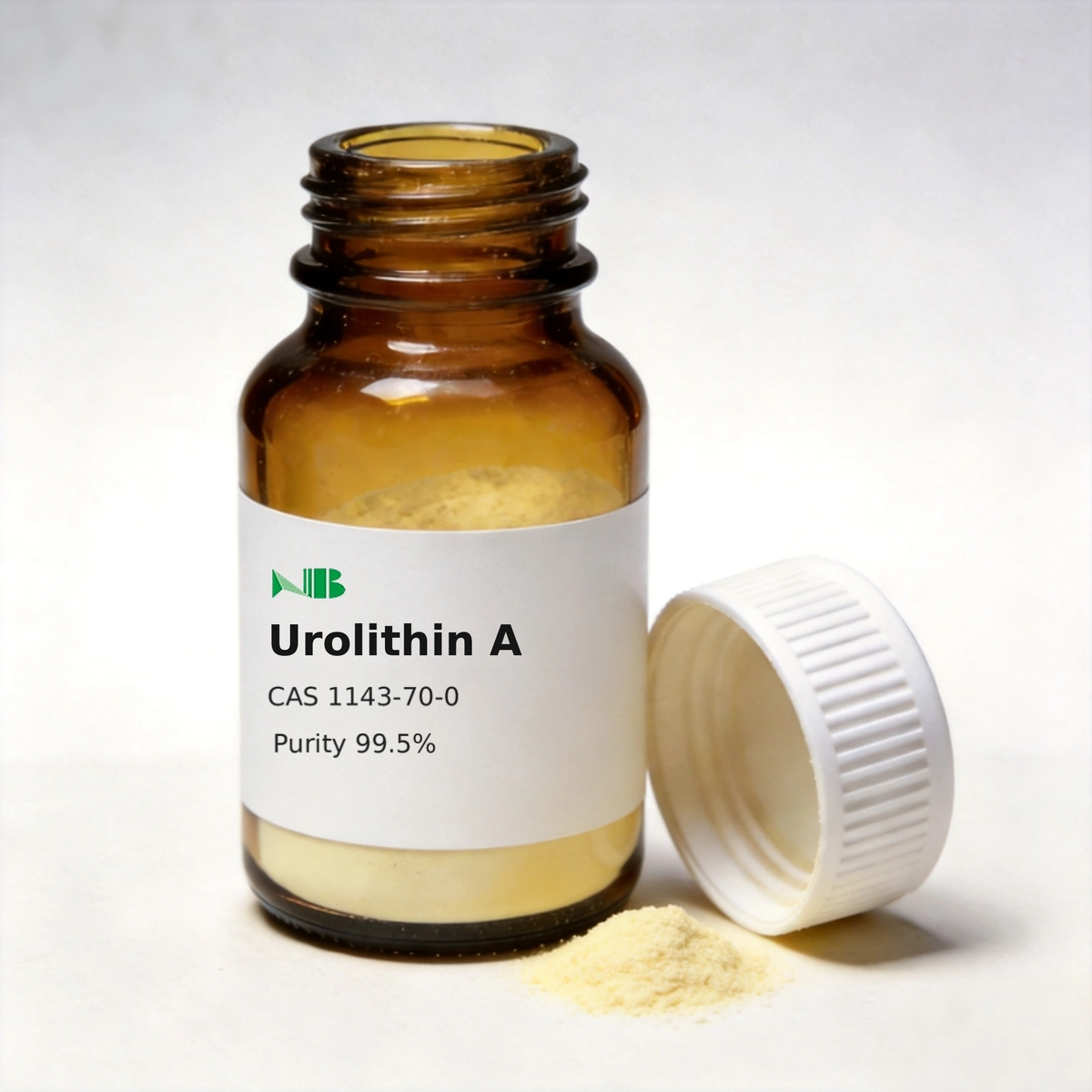
Urolithin A CAS 1143-70-0
99.5% HPLC Mitophagy Inducer & Ellagitannin-Derived Microbial Metabolite
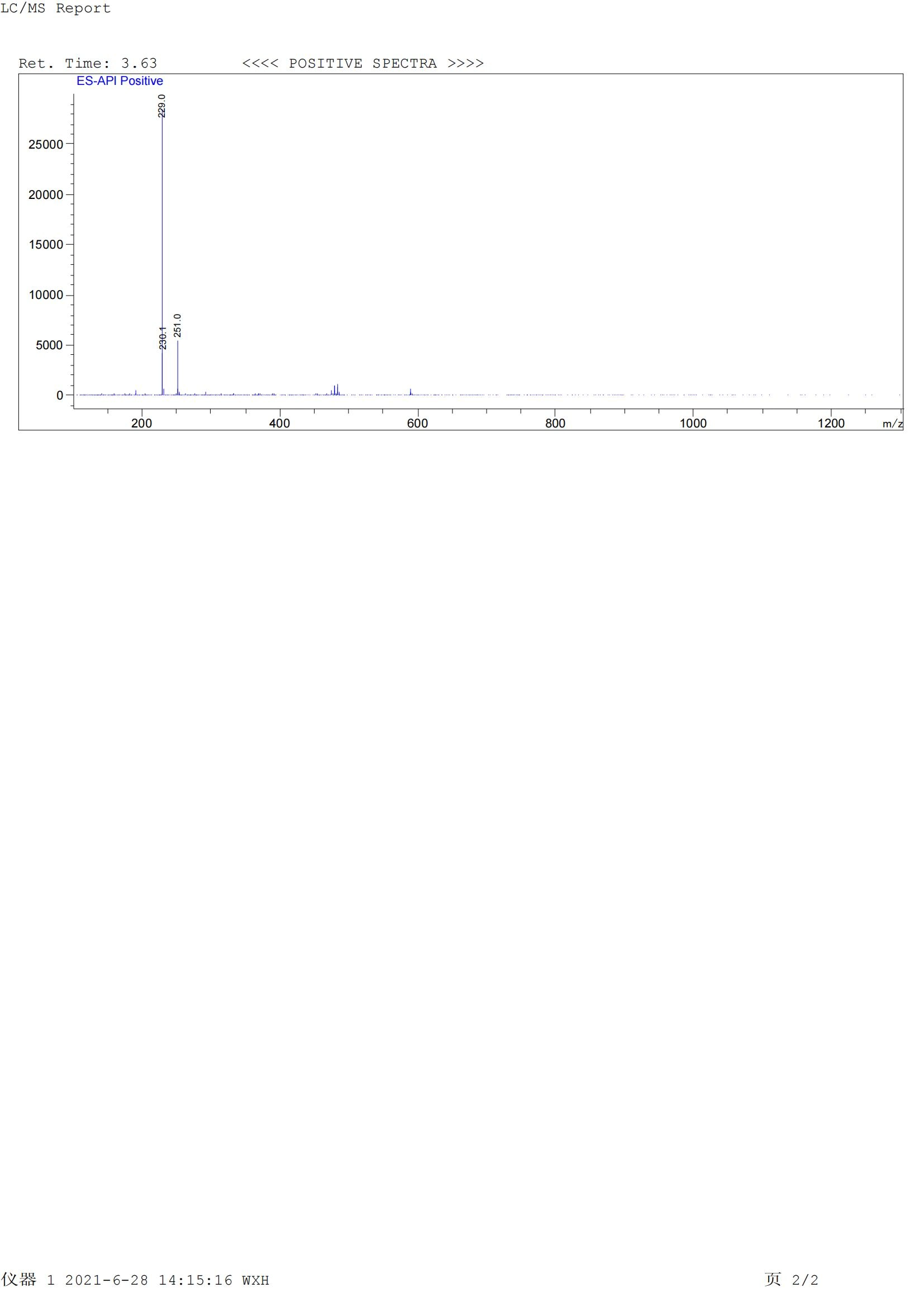
Urolithin A (CAS 1143-70-0) is 3,8-dihydroxybenzo[c]chromen-6-one, a dibenzo-α-pyrone produced in the colon when gut bacteria convert ellagitannins such as punicalagin and ellagic acid. Molecular formula C13H8O4, MW 228.20. Supplied as an off-white to pale yellow powder at 99.5% purity by HPLC-DAD, with identity confirmed by LC-ESI-MS (m/z 229.0 [M+H]+) and 400 MHz 1H NMR. Batch-specific COA and full chromatograms are published on this page.
Molecular Information
CAS: 1143-70-0
Formula: C13H8O4
MW: 228.20 g/mol
IUPAC: 3,8-dihydroxy-6H-dibenzo[b,d]pyran-6-one
Class: Dibenzo-α-pyrone (urolithin)
Precursor: Ellagic acid / punicalagin
InChIKey: RIUPLDUFZCXCHM-UHFFFAOYSA-N
PubChem CID: 5488186
Appearance: Off-white to pale yellow powder
Solubility: DMSO ~45-50 mg/mL; water insoluble
Purity: 99.5% (HPLC-DAD)
Storage: -20 C, protect from light
Product Technical Specifications
Complete physicochemical properties and QC parameters for Urolithin A (CAS 1143-70-0), the ellagitannin-derived mitophagy inducer
📋 Physicochemical Properties
- Product NameUrolithin A
- IUPAC Name3,8-dihydroxy-6H-dibenzo[b,d]pyran-6-one
- CAS Number1143-70-0
- Synonyms3,8-Dihydroxyurolithin; 3,8-dihydroxy-6H-dibenzo[b,d]pyran-6-one
- Molecular FormulaC13H8O4
- Molecular Weight228.20 g/mol
- InChIKeyRIUPLDUFZCXCHM-UHFFFAOYSA-N
- PubChem CID5488186
- SourceSynthetic; identical to the microbiota-derived metabolite
- AppearanceOff-white to pale yellow powder
- Water SolubilityInsoluble
- Organic SolubilityDMSO ~45-50 mg/mL; sparingly soluble in ethanol
- Compound ClassDibenzo-α-pyrone / urolithin
- HS Code2932.20 (lactones)
🔬 Quality Control & Handling
- Purity (HPLC-DAD)99.5% (label claim)
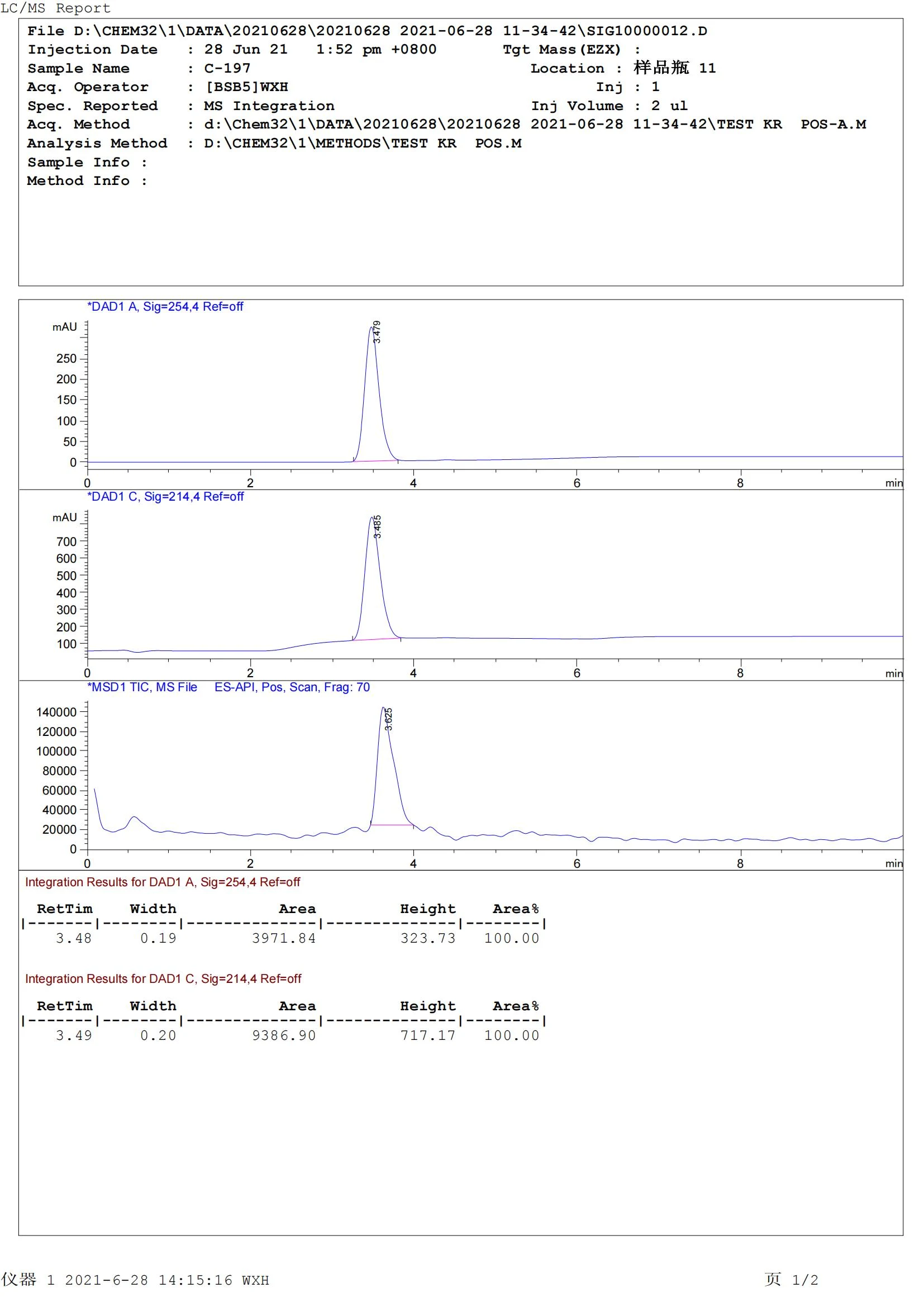
- Identity (MS)LC-ESI-MS, m/z 229.0 [M+H]+
- Identity (NMR)1H NMR 400 MHz, DMSO-d6
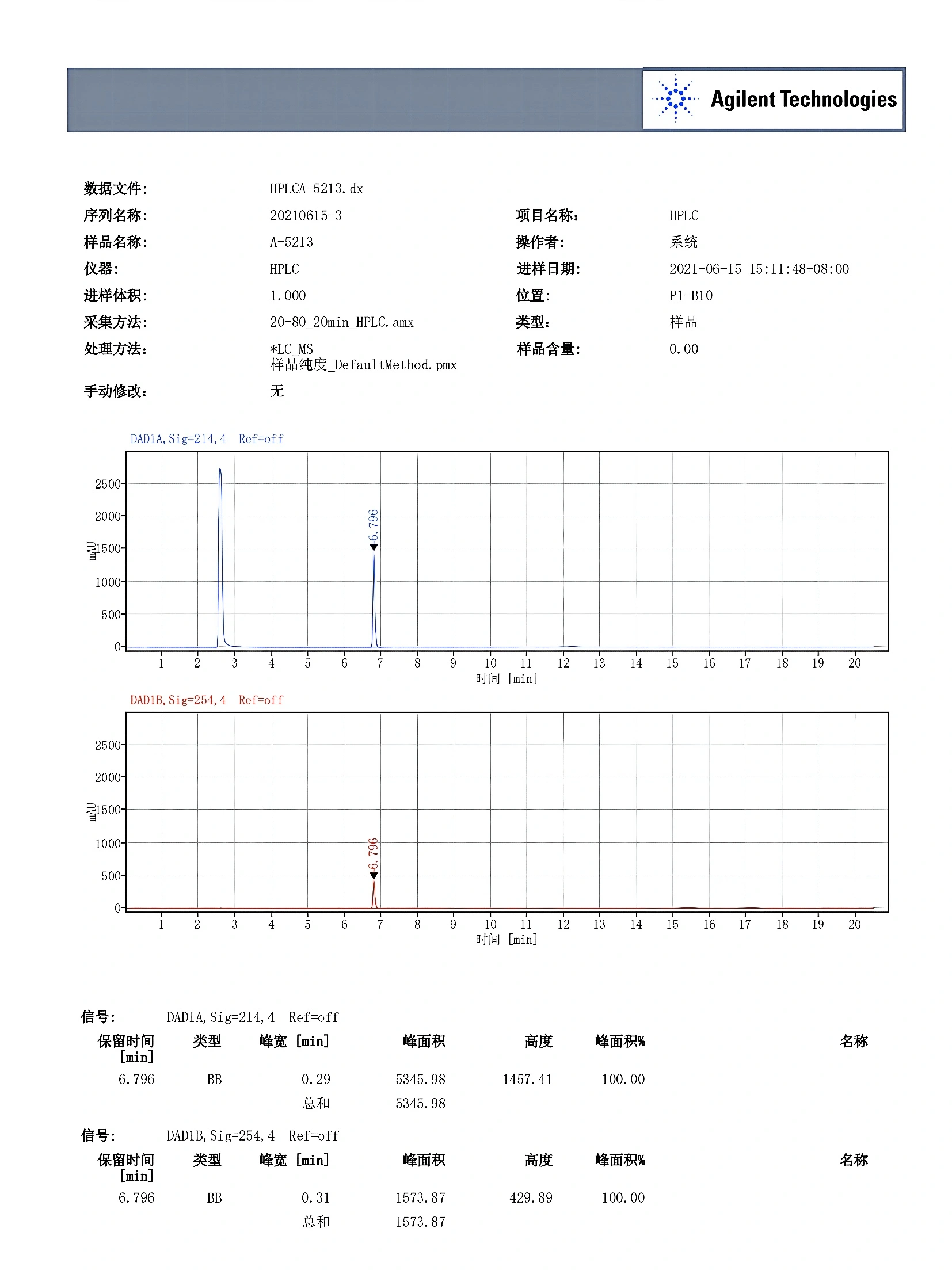
- Chromatographic PuritySingle peak, 100.00 area% at 214 nm and 254 nm
- Primary ActivityMitophagy induction; autophagic flux
- Reported Pathway NodesAutophagy machinery, AMPK, PI3K-Akt-mTOR, AhR, Nrf2
- Storage Condition-20 C, sealed, protect from light and moisture
- Solution StabilityAliquot DMSO stocks; avoid repeated freeze-thaw
- ShippingAmbient or blue ice, depending on destination
- QC DocumentationCOA / HPLC / LC-MS / 1H NMR / SDS
- Pack Sizes100 mg / 1 g / 10 g / 100 g / 1 kg / 10 kg
- Stock StatusIn Stock
- Use StatementFor Research Use Only; not for human or veterinary use
Physical Form, Pack Presentation and Handling
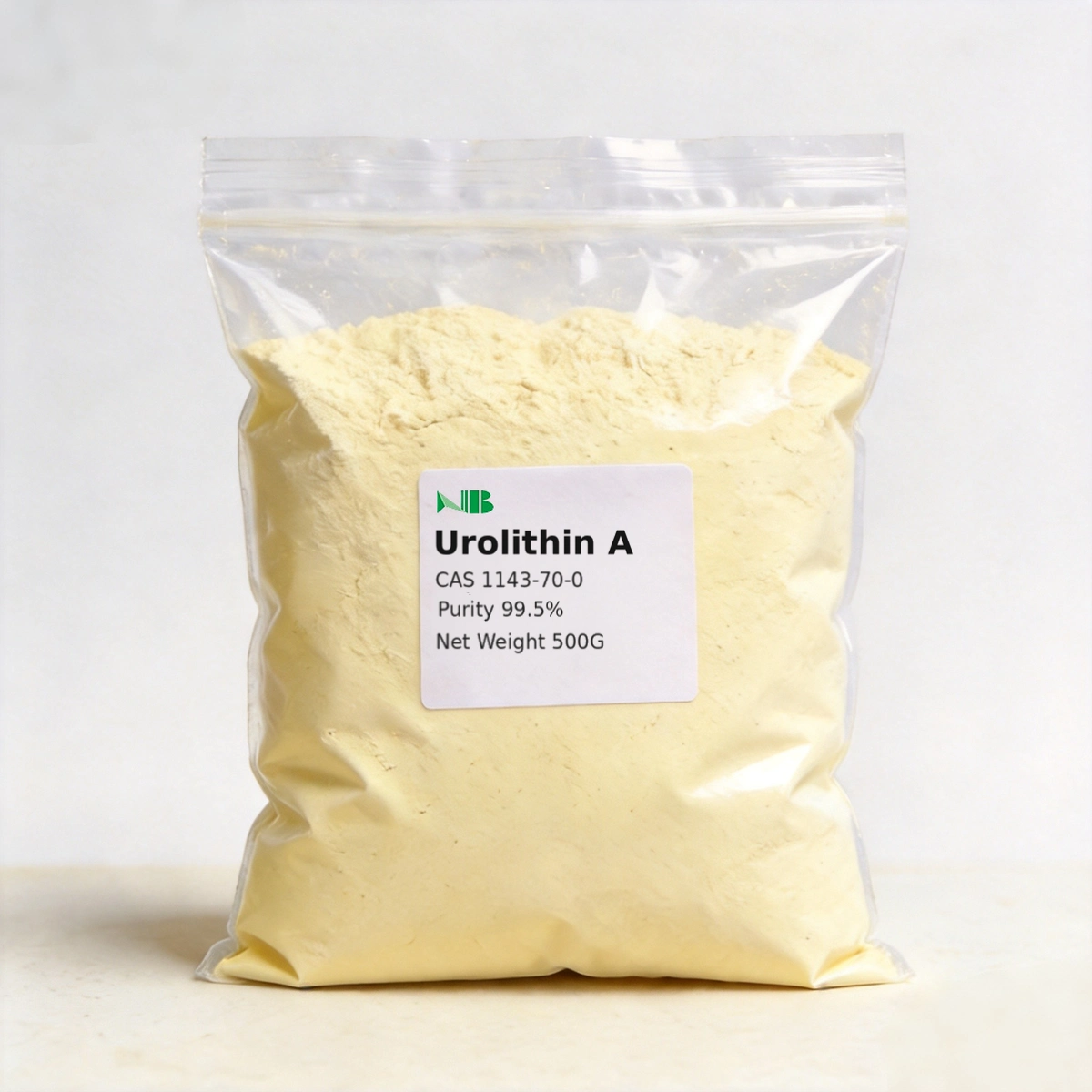
Urolithin A is supplied as a milled, off-white to pale yellow powder in a heat-sealed, nitrogen-flushed aluminium pouch
📦 Pack Presentation & Handling
- Physical FormOff-white to pale yellow powder
- Particle CharacterMilled, free-flowing; no agglomerates
- Net Weight Shown500 g (packs 100 mg to 10 kg)
- Primary PackagingHeat-sealed aluminium pouch, nitrogen-flushed
- Secondary PackagingRigid carton, desiccant, tamper seal
- Label DataName, CAS, lot, purity, net weight, storage
- Moisture ControlEquilibrate sealed pouch to room temperature before opening
- Sub-AliquotingDivide dry, purge headspace with argon or nitrogen
- Light SensitivityProtect from light; keep in the original pouch
- HandlingAvoid dust generation; local exhaust and PPE per SDS
- Retest PeriodAs stated on the COA; -20 C, desiccated
Batch Analytical Data: HPLC, LC-MS and 1H NMR
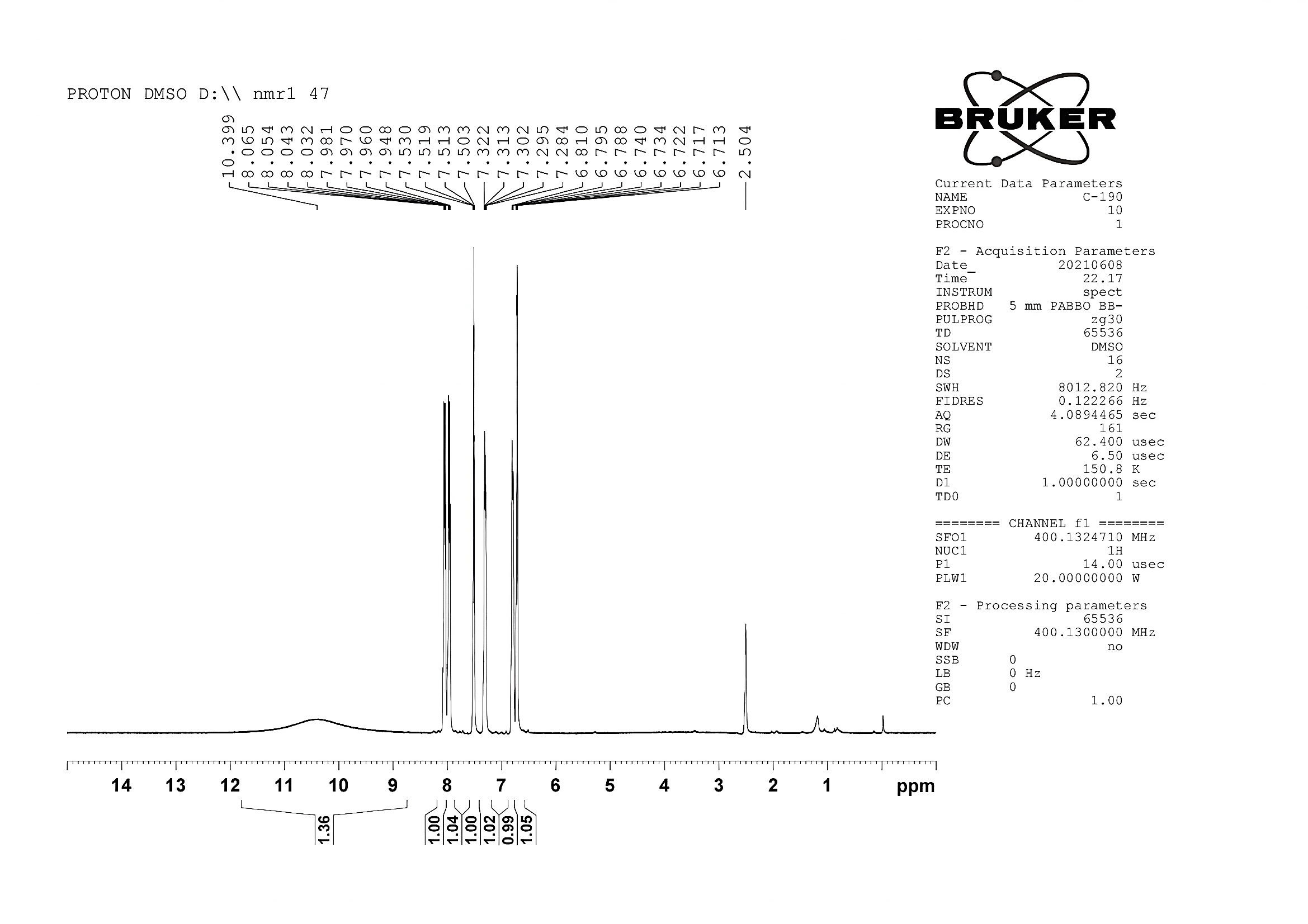
Three orthogonal techniques are run on every batch of Urolithin A. The chromatograms and spectra reproduced below are the original instrument reports for the released lot, so purity and identity can be reviewed before a COA is requested.
Summary of Released-Batch Results
| Test | Method | Result |
|---|---|---|
| Appearance | Visual | Off-white to pale yellow powder; no visible foreign matter |
| Identity — molecular ion | LC-ESI-MS, positive, scan to 1200 m/z | m/z 229.0 [M+H]+, calc. 229.05; fragment m/z 201.0 |
| Identity — proton environment | 1H NMR, 400 MHz, DMSO-d6 | Signal set consistent with C13H8O4 |
| Purity — 214 nm | HPLC-DAD | 100.00 area%, RT 6.796 min |
| Purity — 254 nm | HPLC-DAD | 100.00 area%, RT 6.8 min |
| Purity — label claim | HPLC-DAD, area normalisation | 99.5% |
| Impurity profile | HPLC-DAD, 214 / 254 nm | No peak above the integration threshold |
| Retention time | HPLC, 20-80_20min_HPLC.amx | 6.796 min (width 0.29 min) |
Sample identifiers as printed on the instrument reports: HPLC A-5213 · LC-MS C-197 · NMR acquired 2021-06-08. Signed COA, SDS and the original report PDFs are issued with every shipment and can be supplied before ordering on request.
Key Molecular Targets and Pathway Nodes
Urolithin A is not a receptor-selective ligand. Its reported activity sits in mitochondrial quality control and in the transcriptional and inflammatory pathways that respond to mitochondrial damage.
How Urolithin A Works: Mitophagy Induction and Mitochondrial Quality Control
Urolithin A is the most extensively characterised member of the urolithin family in research-grade mitophagy inducer studies, and the reference aglycone against which other mitophagy tools are benchmarked
Microbial Precursor Metabolism Defines the Urolithin Pool
Ellagitannins such as punicalagin are hydrolysed to ellagic acid in the gut, and colonic bacteria — Gordonibacter and Ellagibacter species among them — lactone-ring-open and dehydroxylate it through urolithin M5 to urolithin A. Inter-individual differences in this conversion define the A, B and 0 metabotypes. Supplying the purified aglycone removes that microbial step, which is why in vitro work uses the free phenol rather than an ellagitannin extract.
Mitophagy Induction and Autophagic Flux
In cell and invertebrate models urolithin A increases LC3 lipidation and autophagosome formation and accelerates clearance of damaged mitochondria, measured with mito-Keima or mito-QC reporters and by mtDNA normalisation. The response has been reported to proceed without obligate PINK1/Parkin recruitment in several systems, and it is not the consequence of protonophore uncoupling: urolithin A does not dissipate the membrane potential the way CCCP or FCCP do, so the signal reflects selective cargo recruitment rather than global depolarisation.
Downstream Readouts of Mitochondrial Quality Control
Restored mitochondrial content is followed by changes in respiratory capacity, lower mitochondrial superoxide, and altered transcription of nuclear-encoded mitochondrial genes. AMPK activation and PI3K–Akt–mTOR modulation have both been described, and urolithin A is reported to bind the aryl hydrocarbon receptor — a second, autophagy-independent route that complicates interpretation of reporter assays and should be controlled for.
⚖ Urolithin A vs Other Mitophagy Tools
- Urolithin A (this product)Microbiota-derived metabolite; mitophagy induction at low micromolar; cell-permeable aglycone; no uncoupling
- RapamycinmTORC1 inhibitor; broad autophagy induction; not mitophagy-selective
- CCCP / FCCPProtonophore uncouplers; acute membrane-potential collapse; cytotoxic on prolonged exposure
- ActinoninMitochondrial ribosome inhibitor; stress-driven mitophagy
- Elamipretide (SS-31)Cardiolipin-binding tetrapeptide; inner-membrane stabilisation rather than cargo clearance
- Starvation (EBSS)Nutrient deprivation; non-selective and poorly quantifiable
♻ Reported Downstream Readouts
- Autophagy markersLC3-II, p62/SQSTM1, ATG5/ATG7 dependence
- Mitophagy reportersmito-Keima, mito-QC, Parkin recruitment
- Mitochondrial contentmtDNA/nDNA ratio, Tom20, VDAC
- BioenergeticsBasal and maximal OCR, ATP-linked respiration
- RedoxMitochondrial superoxide (MitoSOX), Nrf2 target genes
- InflammationNLRP3, IL-1beta, NF-kB reporter activity
Research Applications and Model Systems
From mitophagy reporter assays to gut-metabolite pharmacology, urolithin A is used wherever mitochondrial turnover has to be moved on purpose
Mitophagy and Autophagic Flux Assays
The standard positive control for mito-Keima, mito-QC and tandem LC3 reporters. Pair with bafilomycin A1 or chloroquine to separate induction of flux from blockade of lysosomal degradation.
mito-Keima / LC3Mitochondrial Quality Control and Bioenergetics
Used in Seahorse assays to follow basal, ATP-linked and maximal respiration after a mitophagy challenge, and in mtDNA/nDNA ratio studies of mitochondrial content.
OCR / mtDNAGut Microbial Metabolite Pharmacology
A defined standard for urolithin metabotyping: quantifying aglycone and glucuronide levels in faecal, plasma and urinary matrices, and calibrating LC-MS/MS methods across the A, B and 0 phenotypes.
Metabotypes A/B/0Inflammasome and NF-kB Signalling
Mitochondrial damage is an NLRP3 trigger; urolithin A is used to test whether restored clearance blunts IL-1beta release and NF-kB reporter activity in macrophage and epithelial models.
NLRP3 / NF-kBOxidative Stress and Nrf2 Biology
Studied as a microbiota-derived Nrf2 pathway activator in intestinal epithelial models, where barrier integrity and tight-junction protein expression are the measured endpoints.
Nrf2 / KEAP1Analytical and Formulation Development
A 99.5% crystalline reference for HPLC method development, forced-degradation studies, solubility and permeability screening, and stability-indicating assay validation.
Reference standardKey Literature and Landmark Publications
The primary sources behind the mitophagy, metabolite and barrier claims made on this page
Regulatory Status, Origin and Intellectual Property
What urolithin A is legally, where the material comes from, and what the purchase of a research quantity does and does not convey
⚖ Regulatory and Research-Use Status
- Regulatory StatusNot approved as a drug, food additive, dietary supplement or cosmetic ingredient in any jurisdiction
- FDA / EMANo marketing authorisation; no clinical, IND or IMP supply provided
- Permitted UseLaboratory research by qualified institutions, in vitro and non-clinical in vivo
- Prohibited UseHuman or veterinary administration; diagnostic, therapeutic, food or cosmetic use
- Catalogue PlacementResearch chemicals
- DocumentationCOA, SDS, certificate of origin, allergen and GMO statements
- TransportNot classified as dangerous goods in the supplied form
- Use StatementFor Research Use Only
🏭 Origin, IP and Batch Traceability
- OriginSynthetic; chemically identical to the microbiota-derived metabolite
- Starting MaterialPetrochemical-derived benzopyranone intermediate
- Animal-Derived InputsNone used in the final synthetic steps
- IP PositionComposition, production and mitophagy-related use patents held by third parties in the US, EU, CN and JP
- LicenceNo licence, express or implied, is conveyed by the sale of research material
- Freedom to OperateResponsibility of the purchaser for the intended use
- Batch TraceabilityLot number, release date and retest date on label and COA
- Country of OriginAs declared on the certificate of origin
Available Sizes and Ordering
Research-grade urolithin A (CAS 1143-70-0) at 99.5% HPLC purity, from a 100 mg evaluation quantity to 10 kg scale-up, each pack with the batch COA
| Tier | Pack Size | Stock Status | Suitable For | Lead Time |
|---|---|---|---|---|
| Research | 100 mg | In Stock | Method development, identity checks, pilot assays | 2-3 business days |
| Standard | 1 g | In Stock | Mitophagy and autophagy flux assays, concentration-response studies | 2-3 business days |
| Scale-up | 10 g | In Stock | Repeated cell studies, in vivo work, metabotyping | 3-5 business days |
| Pilot | 100 g | Made to order | Formulation trials, stability and forced degradation | Quote to confirm |
| Commercial | 1 kg | Made to order | Process development, CRO and CMO supply | Quote to confirm |
| Industrial | 10 kg | Made to order | Multi-batch programmes, long-term supply agreements | Batch scheduling |
💡 Pack sizes shown for reference; exact pricing depends on grade, quantity and destination — see the urolithin A 99% powder pricing page or request a quote. Shipping terms are listed under shipping and delivery. Every pack is labelled For Research Use Only and ships with its batch COA.
Frequently Asked Questions (FAQ)
What is urolithin A and where does it come from?
How is the purity of this urolithin A batch verified?
What purity and pack sizes are available?
How should urolithin A be dissolved and stored?
How does urolithin A differ from urolithin B?
Is urolithin A approved for human use?
Need Urolithin A (CAS 1143-70-0) for Your Mitophagy Research?
Research-grade urolithin A — 99.5% by HPLC, identity confirmed by LC-MS and 400 MHz 1H NMR, COA with every pack
From a 100 mg evaluation sample to 10 kg scale-up, shipped worldwide from stock batches
For Research Use Only. Urolithin A (CAS 1143-70-0) is supplied as a laboratory research chemical and is not for human or veterinary use, not for diagnostic or therapeutic use, and not for food, drug or cosmetic applications. Nothing on this page constitutes a claim of efficacy or safety in humans; the literature cited reports preclinical work and early clinical research carried out by third parties. Statements have not been evaluated by the FDA or the EMA. Handle only in accordance with the SDS and the safety procedures of your institution.