Sapanisertib CAS 1224844-38-5
ATP-Competitive Dual mTORC1/2 Kinase Inhibitor (INK128, MLN0128, TAK-228)
Sapanisertib (CAS 1224844-38-5), also INK128 / MLN0128 / TAK-228, is an orally bioavailable, ATP-competitive inhibitor of both mTORC1 and mTORC2 with IC50 ~1 nM and >200-fold selectivity over class I PI3K isoforms. It blocks both S6K/4E-BP1 (mTORC1) and AKT Ser473 (mTORC2) phosphorylation, overcoming the rapalog limitation. Molecular formula C15H15N7O, MW 309.33. Research-grade with COA.
Molecular Information
CAS: 1224844-38-5
Formula: C15H15N7O
MW: 309.33 g/mol
Class: Pyrazolo[3,4-d]pyrimidine-benzoxazole
Core: 5-(4-amino-1-isopropylpyrazolo[3,4-d]pyrimidin-3-yl)benzoxazol-2-amine
Target: mTOR kinase (mTORC1 & mTORC2)
IC50: 1 nM
Selectivity: >200x vs class I PI3K
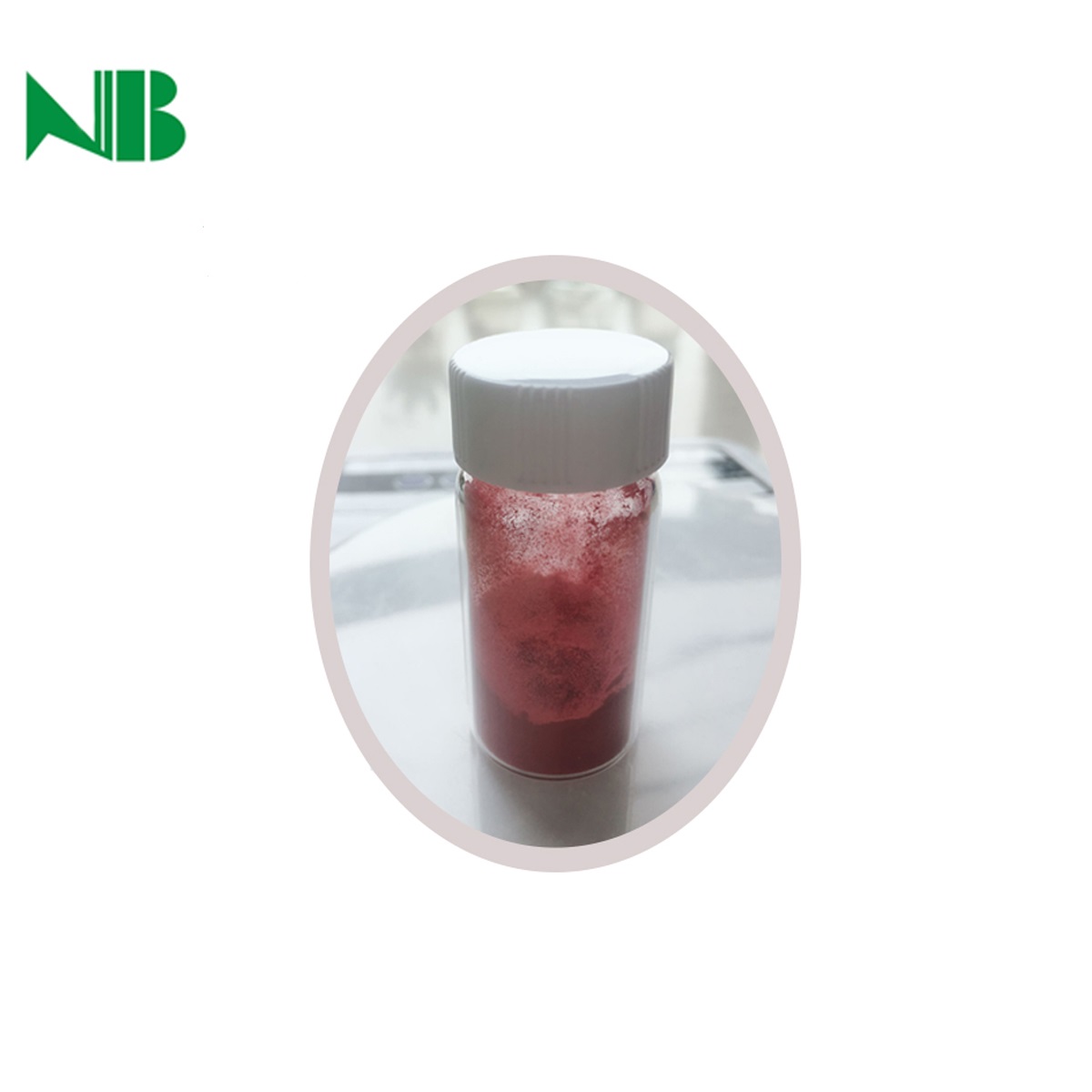
Appearance: White to off-white solid
Synonyms: INK128 / MLN0128 / TAK-228
Storage: -20 C
Product Technical Specifications
Complete physicochemical properties and QC parameters for Sapanisertib (CAS 1224844-38-5)
📋 Physicochemical Properties
- Product NameSapanisertib (INK128 / MLN0128 / TAK-228)
- IUPAC Core5-(4-amino-1-isopropyl-1H-pyrazolo[3,4-d]pyrimidin-3-yl)-1,3-benzoxazol-2-amine
- CAS Number1224844-38-5
- SynonymsINK128; INK-128; MLN0128; MLN-0128; TAK-228; TAK228
- Molecular FormulaC15H15N7O
- Molecular Weight309.33 g/mol
- SourceSynthetic small molecule (Millennium/Takeda)
- AppearanceWhite to off-white solid
- Melting PointNot reported
- Water SolubilityInsoluble
- Organic SolubilityDMSO ~62 mg/mL
- Compound ClassPyrazolopyrimidine-benzoxazole / mTOR kinase inhibitor
- HS Code2934.99
🔬 Quality Control & Handling
- Purity (HPLC)≥98%
- FormSolid powder
- Primary TargetmTOR kinase (mTORC1 & mTORC2)
- Pathway Readoutp-S6K/p-4E-BP1 (mTORC1) and p-AKT Ser473 (mTORC2) down
- Selectivity>200-fold over class I PI3K isoforms
- Storage Condition-20 C, sealed, protect from light
- Solution StabilityAliquot DMSO stocks; avoid freeze-thaw
- ShippingBlue ice / cold chain recommended
- QC DocumentationCOA / HPLC / NMR / MS / MSDS
- Pack Sizes1g / 5g / 10g / 100g / 1KG
- Stock StatusIn Stock
- Use StatementResearch use only; not for human/clinical use
Key Molecular Targets & Pathway Nodes
Sapanisertib hits the mTOR kinase directly, suppressing both complexes — unlike rapalogs, which only allosterically inhibit mTORC1.
How Sapanisertib Works: Catalytic mTOR Shutdown of Both Complexes
By occupying the mTOR ATP site, sapanisertib silences mTORC1 and mTORC2 in one molecule
ATP-Site Occupation of mTOR
Sapanisertib binds the ATP pocket of the mTOR kinase domain with ~1 nM potency. Because mTOR is the catalytic engine of both mTORC1 (with Raptor) and mTORC2 (with Rictor), a single ATP-competitive inhibitor reaches both complexes — something rapalogs structurally cannot do.
Concurrent mTORC1 & mTORC2 Suppression
It blocks phosphorylation of S6K and 4E-BP1 (mTORC1 outputs) and, critically, AKT at Ser473 (the mTORC2 output). This dual coverage removes the AKT-feedback loophole that limits rapalogs and PI3K-only drugs, and retains activity against rapamycin-resistant cancers.
Growth Arrest, Autophagy & Anti-Angiogenesis
With both complexes inhibited, cap-dependent translation and survival signaling collapse, driving G1 arrest and autophagy; in vivo sapanisertib also suppresses angiogenesis and tumor growth across multiple xenograft models, with p-4EBP1 as a PD marker.
⚖️ Sapanisertib vs Rapalogs vs Gedatolisib
- Sapanisertib (this)ATP-competitive mTORC1/2; >200x vs PI3K
- Rapalogs (everolimus)Allosteric mTORC1 only
- GedatolisibDual PI3K + mTOR
- MLN0128 EdgeDirect mTORC2 (AKT S473) blockade
- Research UseRapamycin-resistant & PI3K-altered models
- SelectivitySpares PI3K, hits mTOR hard
♻️ Downstream Biological Consequences
- mTORC1p-S6K & p-4E-BP1 down
- mTORC2p-AKT (Ser473) down
- TranslationCap-dependent synthesis reduced
- Cell CycleG1 arrest
- SurvivalAutophagy & apoptosis
- AngiogenesisReduced tumor vessel growth
Research Applications & Models
Dual mTORC1/2 blockade addresses the major limitation of first-generation rapalogs.
Rapalog-Resistant Models
Retains activity where rapamycin fails; studied in rapamycin-resistant and PI3K-altered cancers where mTORC2/AKT feedback limits rapalogs.
Rapamycin-ResistantNSCLC & NRF2 Oncology
Clinically explored in NRF2-mutated squamous NSCLC; a lead indication highlighting mTORC2-relevant biology.
sqNSCLCmTOR Signaling Research
A reference ATP-competitive mTOR inhibitor for Western panels (p-S6, p-4E-BP1, p-AKT S473) and for distinguishing mTOR-kinase from allosteric inhibition.
mTOR KinaseBreast & Endometrial Cancer
Investigated in hormone-receptor-positive breast and endometrial cancers, including combinations with endocrine and CDK4/6 agents.
HR+ / EndometrialGlioblastoma & CNS
Brain-penetrant profile supports study in glioblastoma and CNS tumors dependent on mTOR signaling.
GBM / CNSAnti-Angiogenic Models
Shown to inhibit angiogenesis and tumor growth in multiplex xenografts; relevant to vascular-dependent tumors.
AngiogenesisIn Vivo Efficacy & PD
Oral activity enables chronic dosing; p-4EBP1 used as a PD biomarker in tumor tissue.
Xenograft PDCombination Screening
Deployed with PI3K, CDK4/6, endocrine and MEK agents to map synergy and overcome resistance.
Combo MatrixKey Literature & Landmark Publications
Key references on dual mTORC1/2 inhibition and sapanisertib.
Available Sizes & Ordering
Research-grade Sapanisertib (CAS 1224844-38-5) with full QC documentation; standard packs and bulk custom quantities supported.
| Tier | Pack Size | Stock Status | Suitable For | Lead Time |
|---|---|---|---|---|
| Standard | 1g | In Stock | mTORC1/2 cell signaling assays | Same/next-day ship |
| Medium | 5g | In Stock | In vivo tumor & rapamycin-resistant models | Same/next-day ship |
| Large | 10g | In Stock | Combination & NSCLC studies | Same/next-day ship |
| Bulk | 100g | In Stock | Formulation & process development | Quote to confirm |
| Industrial | 1KG | Made to order | Pilot/production scale, CMO supply | Batch delivery |
💡 Reference sizes shown above; for exact pricing and availability please contact us for a quote. Bulk orders qualify for tiered discounts.
Frequently Asked Questions (FAQ)
What is sapanisertib?
How is it different from everolimus/rapalogs?
Why block mTORC2 as well?
What readouts confirm activity?
In which tumors is it studied?
How soluble is sapanisertib and how should it be prepared?
Is QC documentation provided?
Need Sapanisertib (Dual mTORC1/2 Inhibitor) for Your Research?
Research-grade Sapanisertib (CAS 1224844-38-5) — purity ≥98% HPLC, COA included
INK128 / MLN0128 / TAK-228 — ATP-competitive mTOR kinase inhibitor active against rapamycin-resistant tumors — request a quote today